
- War is Boring profiles Nigeria’s tiny Alpha Jet and its role in the war on Boko Haram.
- The UN calls Boko Haram’s violence and brutality “almost unimaginable.”
- A former lawmaker was one of the drivers in a double car bomb attack launched by Al Shabab on the African Union’s main peacekeeping base in Somalia this week.
- Doctors Without Borders fears famine in northeastern Nigeria.
- Residents of South Kordofan look ahead to hunger and then starvation after bad harvests and targeting of farming areas by the Sudanese government.
- South Sudan’s President Salva Kiir sacked his vice president Riek Machar, also his political and military rival.
- China navigates an increasingly tricky role between Sudan and South Sudan.
- Republic of Congo opposition leader Paulin Makaya wassentenced to two years for his role in protests against a third term for President Denis Sassou Nguesso.
- Wonky policy read: “Demystifying intelligence in UN Peace Operations: Toward an Organizational Doctrine”
- Mali arrested the regional leader of the Islamist group Ansar Dine, which claimed a recent attack that killed 17 soldiers.
- In Egypt, violence toward Coptic Christians escalates.
- Egypt will host talks aimed at breaking Libya’s political deadlock.
- Morocco arrested 52 people suspected of being part of an Islamic State cell.
- The UN called for a humanitarian truce in the Yemeni province of Taiz.
- The State Department strongly criticized Israeli settlement expansion and demolition of Palestinian homes, saying Israel “is systematically undermining the prospects for a two-state solution.”
- BuzzFeed obtained a document showing the failed Turkish coup was motivated by displeasure with the government’s attempts to make peace with Kurdish separatists.
- More than 130 media outlets in Turkey have been shut down as the purge and crackdown continues. Turkey even created a “traitor’s cemetery” in which to bury dead coup plotters.
- Long read: Russian emigres in Turkey are trappedbetween the Islamic State and the Russian security services.
- Over the past four years, Eastern European countries have sold over €1bn in weapons––from AK-47s to rocket launchers––to countries who likely or possibly sent them on to Syria.
- Interactive: How Syrians are being killed.
- Syrians have stockpiled an underground library of booksrescued from bombed buildings.
- The Al Nusra Front announced a formal split from Al Qaeda and is renaming itself Jabhat Fatah al-Sham.
- This move, and other developments, serve to complicate and obstruct US efforts to cooperate with Russia in Syria.
- Syria, with Russia’s help, put forward a roadmap for thedefeat of rebels in Aleppo.
- Evidence grows of Russia’s use of cluster bombs in Syria.
- Civilian casualties from US-led airstrikes in Syria are on the rise.
- The Pentagon says 10,000 pieces of Islamic State intelligence have been collected in the northern Syrian city of Manbij.
- A suicide bomb blast in the predominantly Kurdish town of Qamishli near Syria’s border with Turkey killed at least 44 people.
- In photos: Kurdish peshmerga forces on the front linesagainst the Islamic State.
- Experts analyzing the unique nature of the Islamic State’s devastating July bombing in Baghdad note unique characteristics that may mean the group developed and used a new type of bomb.
- How Iraq’s counterterrorism forces went from the “dirty division” to the “golden boys.”
- Iraqi Prime Minister Haider al-Abadi officiallyincorporated the Popular Mobilization Front, an Iranian-backed militia, into the country’s armed forces.
- Interactive: Terror’s painfully human toll: two weeks in March, 247 deaths.
- An Islamic State-claimed suicide bombing in Kabul killed80 and wounded 200. The targets were primarily Hazara, subject now to a long string of injustice and suffering.
- The first half of this year saw record civilian casualties in Afghanistan.
- A major assault is underway by Afghan forces and US special operations forces on eastern Taliban strongholds. Elsewhere in the country, they have been unable to reverse the group’s gains.
- In photos: Kashmir under siege.
- Russia plans to join China in naval drills in the South China Sea, having backed Beijing in an ongoing territorial dispute with the Philippines and others over the sea.
- Analysis: The paradox at the heart of the South China Sea ruling.
- The black market arms trade takes off in Ukraine.
- The power and effectiveness of OSCE monitors in Ukraine as they patrol for ceasefire violations areweakened by a number of factors, including keeping bankers’ hours in a war mostly fought at night.
- Podcast: Scholar Anne Applebaum discusses the Kremlin’s attempts to create chaos in the US election and Trump’s shady Russian business and political connections.
- A backgrounder for the Gerasimov Doctrine––Russia’s new approach to warfare, or rather the gray areas of not-quite-warfare.
- Leaked emails from former NATO chief military commander Philip Breedlove show he was influenced by agitators who sought to aggravate the conflict in Ukraine.
- A potential bailout of Ukraine by the IMF is still delayed.
- A new study suggests that search engines play an important role in online radicalization and are overshadowed in counter measures by attention to social media.
- Photo/interactive: a year-long series by The Globe and Mail examines the lives and work of conflict photographers like Corinne Dufka, Ashley Gilbertson and Ron Haviv.
- A new Netflix series looks at the lives of war photographers.
- In the event of nuclear war, the BBC had drawn up plansto operate from a network of 11 bunkers across the UK.
22nd July, 2016
- Three French soldiers were killed in a helicopter accident in Libya, confirming for the first time that France has troops present there. The UN-backed Libyan government is not pleased.
- Libyan forces launched an offensive against the Islamic State in Sirte.
- For 25 years, Kenya has hosted Somali refugees in the sprawling refugee camp Dadaab, now the largest such camp in the world. Now Kenya wants these hundreds of thousands of people out.
- “South Sudan’s civil war is supposed to be over.”
- Human rights groups urge an arms embargo for South Sudan.
- South Sudan arrested prominent newspaper editor Alfred Taban for articles critical of authorities.
- In photos: A year of crisis in Burundi.
- Tuareg rebels clashed with government-aligned Tuareg group in Mali.
- A coordinated assault on a Malian base left 17 soldiers dead and lots of vehicles and equipment stolen.
- Video: Inside Eritrea, the world’s most censored country.
- Debt may be unsustainable in many African countries.
- AFRICOM is under new command.
- Nigeria’s efforts to buy peace won’t pay off.
- In photos: Where refugee children sleep.
- Eight ambassadors to Israel are expressing their concern over Israel’s confiscation of Bedouin shelters in occupied West Bank in May and June.
- At least 73 civilians died in a US-led airstrike near Manbij, an Islamic State stronghold in Syria, leading to a Pentagon investigation.
- 300,000 people are at risk of starvation now that rebel-held areas of Aleppo have been sealed by pro-government forces.
- A Syrian opposition group, formerly linked to US-backed rebels, beheaded a captive child soldier.
- The US is considering Jabhat al-Nusra, al-Qaeda’s Syria wing, a threat of growing significance.
- The saga of Abu Omar al-Shishani’s ambiguous living status continues: the Islamic State’s Amaq News Agency says he was killed in recent fighting south of Mosul.
- Iraqi factions jockey for positions in the final offensive in Mosul, a campaign which could affect 1.5 million civilians.
- Iraqi marshlands have been named a UNESCO world heritage site.
- Human rights researchers struggle to circumvent access denial in conflict zones (a piece of mine for this blog)
- Declaring a state of emergency following the failed coup against President Erdogan, Turkey declared a state of emergency while cracking down hard on tens of thousands of judges, academics, police and civil servants.
- Turkey is using the Incirlik Air Base to pressure the US over cleric-in-exile Fethullah Gulen.
- A Bahraini court order the dissolution of the Al-Wefaq opposition group.
- The Taliban and other local strongmen illegally harvestedsome of Afghanistan’s pistachio crop too early, ruining a possible boost in export income.
- Convictions were handed down to three Hong Kong student leaders for their roles in massive pro-democracy protests two years ago.
- North Korea returns to short wave radio.
- Armed men have been holding Armenian police officershostage in Yerevan for days and now clashes have broken out.
- A car bomb killed well-known Ukrainian journalist Pavel Sheremet on his way to work.
- In eastern Ukraine, watchdog groups report, civilians suffer arbitrary detention, disappearances and torture.
- Radovan Karadzic appeals his 40-year prison sentence.
- In Bosnia, Pokemon Go comes with a land mine concern.
- An Afghan teenager with a hand-painted Islamic State flag attacked passengers on a train in Würzberg, Germany with an axe and knife.
- Five accomplices in the Nice attack have beenarrested and French prosecutors say the perpetrator planned it for months.
- A new data leak may help identify Islamic State fighters returning to Europe.
- Europe sees cause for concern in Donald Trump’s recent comments on NATO.
- Mohamedou Ould Slahi, the Guántanamo prisoner whose memoir was released last year, has been cleared for release by the Periodic Review Board.
- Maria Abi-Habib, a correspondent with the Wall Street Journal, was detained at the airport by Homeland Security upon her return from Beirut.
- Interactive: How dangerous is the world we live in?
- Secrecy prevails in the race for UN Secretary General
15th July, 2016
- 84 people were killed at Bastille Day festivities in Nice, France yesterday when an attacker drove a tractor-trailer into a crowd for 2 km. As is typical in the aftermath of these kinds of attacks, misinformation and hoaxes abound. For example, this man was not the attacker.
- AFP photographer Valery Hache was in Nice: “The dread began to fill me when I heard the sirens.”
- South Sudan slides backwards into war and embassies began evacuating non-essential personnel this week.
- Analysis: Is there any hope left for South Sudan?
- Despite its internal strife, South Sudan’s government hasmanaged to find $2.1 million to lobby in Washington to bolster its image and avoid sanctions.
- Suspected Boko Haram militants are dying of malnutrition, disease, and torture in Cameroon’s jails.
- There is a spike in forced disappearances in Egypt.
- France will end its military mission in the Central African Republic in October.
- The murder of a Kenyan lawyer has sparked public anger and highlighted Kenya’s longstanding plague of police brutality and extrajudicial executions.
- Long read: Trouble in paradise––tourism in the age of terrorism.
- Despite the ceasefire, clashes continue in Aleppo.
- The family of Marie Colvin, the veteran war correspondent killed in Homs in 2012, are suing the Syrian government, alleging that Assad’s forces tracked and then intentionally targeted Colvin.
- Senior Islamic State operative Abu Omar al-Shishanimight not be dead after all.
- Long read: How the Islamic State is using encrypted messaging tools.
- Russia’s story about losing two helicopter pilots when their aircraft was shot down near Palmyra on Friday has some serious inconsistencies.
- Long read: Ahmed and Alin, two Syrian children orphaned by war, are now child laborers in Turkey.
- Child labor rates have doubled in Iraq since 1990.
- Qayyarah Air Base in Mosul has been seized from the Islamic State, and could work as a logistics hub for an escalated offensive against the extremist group.
- Analysis: Who are Iraq’s militias?
- Human Rights Watch says the Iraqi government has been less than transparent about its investigation into allegations of abuses against civilians the retaking of Fallujah.
- Saddam Hussein’s novella is getting an English language release.
- The Islamic State quietly prepares for the loss of the caliphate.
- Editorial: When it comes to the civilian casualty count from the drone war, the LA Daily News sharply notesthat “Americans wouldn’t accept such inexactitude in a calorie count.”
- US and Afghan forces are making gains against the Taliban.
- Long read: Documents obtained by BuzzFeed show thata harsh interrogation method was used in Afghanistanunder the Obama administration’s watch.
- 25 people have been killed in increased unrest in Kashmir following the death of a telegenic young militant leader named Burhan Wani.
- In photos: Clashes in Kashmir
- Two hostages from the Bangladesh standoff have not returned home after being questioned by the police.
- China lost a key international legal battle over the South China Sea to the Philippines.
- Human Rights Watch describes provisions in Russia’s new “Yarovaya Law” as “deeply disturbing” and say they “severely undermine the right to privacy and are particularly detrimental to freedom of expression on the Internet.”
- The German town of Espelkamp, settled by post-WWII refugees, is now welcoming Syrians fleeing the civil war.
- This week marked Srebrenica’s 21st anniversary.
- David Cameron set a July 18 vote for parliament to decide whether or not to renew the UK’s aging fleet of nuclear Trident submarines.
- Analysis: Will boosting NATO’s presence in Eastern Europe really make it more secure?
- FARC guerrillas reckon with the idea of life as unarmed civilians.
- A court in El Salvador struck down 1993 law granting amnesty for crimes committed during the country’s civil war.
- Fayiz Ahmad Yahia Suleiman––a Yemeni man who arrived at Guantánamo in 2002, was never charged, and was cleared for release in 2009––was resettled in Italy.
- 40 people have been killed during single gunman assaults at military facilities since 2009, and as a result, the Pentagon is updating its policies about arming troops at these facilities.
08 July, 2016
- South Sudan experienced its worst violence so far this year. Dozens were killed in attacks on civilians in Wau and 70,000 have been displaced. Five soldiers were killed in clashes in the capital city, Juba, as the small country prepares to celebrate its fifth independence day on Saturday.
- Three quarters of South Sudan’s population have difficulty finding enough food.
- Violence is on the rise in the Central African Republic’s north-west.
- Nigerian soldiers make for bad aid workers.
- Militants blew up the Eni oil pipeline in Nigeria.
- Nine were killed in a suspected rebel attack in northeastern Democratic Republic of Congo.
- The U.N. deputy secretary-general warned that, without peace talks, violence and instability will continue to plague Congo.
- Two former Rwandan mayors were sentenced to life in prison by a French court for their role in the 1994 genocide.
- US jets abandoned Syrian rebels in the middle of an offensive against the Islamic State last week. The operation was a failure.
- The regime and warring factions in Syria have weaponized humanitarian access and aid.
- Russia’s only aircraft carrier – The Admiral Kuznetsov, which entered service 26 years ago – is being sent to war for the first time.
- A new Islamic State video outlines its structure and area of control.
- Mapped: The Islamic State loses ground.
- Saudi Arabia arrested 19 suspects in connection with the July 4 attacks.
- Child marriages are on the rise in Yemen.
- Israel tightened its security near Hebron.
- A triple suicide attack at a Shia mausoleum in Balad, almost 60 miles north of Baghdad, killed at least 35 and wounded 60.
- The death toll from last week’s blast continues to rise, now at 292.
- Video: What Ramadi looks like today.
- Iraqi militias are using commercial drones to monitor and track the Islamic State.
- The IMF approved a $5.34 billion aid program for Iraq.
- The long-awaited Chilcot Inquiry into Britain’s involvement in the war in Iraq was finally released. Its conclusions were damning for Tony Blair – who it said chose to take the UK to war before peaceful options had been exhausted. It also concluded that Blair had exaggerated Saddam Hussein’s threat, that the mental health of soldiers had been risked, that warnings were ignored and strategies absent and that the UK had been shut out of involvement in post-invasion decisions.
- The US withdrawal from Afghanistan has again been slowed.
- Australia has extended its mission in Afghanistan by six months.
- A militant attack on end of Ramadan celebrations in Dhaka, Bangladesh, killed three and wounded 14.
- Analysis: Why is China getting involved with Afghan peace talks?
- Lam Wing-kee, a Hong Kong bookseller targeted by Chinese authorities, spoke out about his forced confession and his contemplation of fleeing to evade further detention.
- Putin signed harsh counterterrorism measures into law.
- Eight militants and a security officer were killed in clashes in Daghestan.
- Russia flexes its muscles with Belarus.
- Inside Kosovo’s Islamist cauldron.
- The twenty-five year anniversary of the war that broke up Yugoslavia is approaching. Der Spiegel asks: How can a war start if nobody wants it to?
- In photos: Yugoslavia’s descent into barbarism.
- Long read: “A drive across the Baltics reveals a constant hum of military activity.”
- Inside Britain’s secret weapons research facility.
- Long read: How 18 British sewer workers became unlikely heroes in the Battle of the Somme
- What it was like to be closeted and transgender in the US military.
- The House approved legislation seeking to block the sale of Boeing airliners to Iran.
- A former seamstress for Colombian militants re-enters the workforce.
- Former president Álvaro Uribe may be Colombia’s biggest obstacle to peace.
06 July, 2016
- Libyans are making hard-fought gains against the Islamic State.
- The UN added 2500 peacekeepers to Mali.
- The UN Mission in Liberia handed security back over to Liberia after 13 years.
- A Boko Haram suicide bomber killed 11 at a mosque in Cameroon.
- The Nigerian army says it freed more than 5000 people held by Boko Haram.
- Refugees continue to flee conflict in Sudan’s South Kordofan region.
- Ceasefire monitors in South Sudan warn of breaches of the peace deal and deadly violence.
- A clash between rebels and government forces in the South Sudanese town of Wau last week killed 43.
- A roadside bomb in Mogadishu killed 14 people on Thursday.
- Jordanian intelligence operatives stole weapons from the CIA intended for Syrian rebels and sold them to arms dealers on the black market.
- Three suicide bombers attacked Istanbul’s main airport, killing 44 people.
- Analysis: The Istanbul attack shows the dangerous new face of the Islamic State.
- Turkey and Russia seek to normalize relations, which may be hastened by a shared threat of Chechen-linked radicalism.
- Israel and Turkey will restore diplomatic relations after a six-year rift.
- A UN report due out shortly from international mediators will call on Israel to reverse settlement expansion, an end to violence and Palestinian Authority to exert its control in Gaza.
- 70 regime and rebel fighters were killed in a government offensive in northern Syria on Thursday.
- Starving instead of fasting in Syria.
- The New Syrian Army falters.
- A wave of suicide bombings in the Yemeni city of Mukalla killed 19.
- The US and Iraq conducted one of the most deadly strikes against the Islamic State on Wednesday night, hitting a 120 vehicle convoy in Anbar province.
- Iraqi forces say Fallujah is finally fully liberated.
- Iraq landed a $2.7 million loan from the US to fund military equipment.
- Bahrain continues to target dissent.
- Iran is covertly recruiting fighters to send to Syria from Afghanistan’s Shia population.
- Nine US Navy personnel face discipline over Iran’s capture of sailors in January.
- A Taliban suicide bombing outside of Kabul killed 30 Afghan police cadets.
- Militant leader Gulbuddin Hekmatyar withdrew from peace talks.
- The US is investigating the possibility that civilian hostages held by the Taliban were killed in airstrikes.
- 12 former Dutch UN peacekeepers are suing the Netherlands for their deployment to Srebrenica, a task they say was impossible.
- The first national census since the war in the 1990s shows Bosnia-Herzegovina has lost a fifth of its prewar population. It also shows that Bosnian Muslims are now a majority.
- Ukraine is seeing a gradual uptick in ceasefire violations/fighting.
- Fifty senior commanders in Russia’s Baltic Fleet have been fired by the Defense Ministry.
- The centenary recognition of the Battle of the Somme, a defining battle in the first World War, is beginning. The battle, which lasted five months, was one of the bloodiest in human history, with more than a million fatalities.
- Concerns are being raised about Brexit’s effects on Northern Ireland’s border with Ireland, and the consequences for the peace process.
- After a decade of absence, US troops will return to Iceland.
- The Department of Defense lifted its ban on open service for transgender personnel.
25th May political historical events
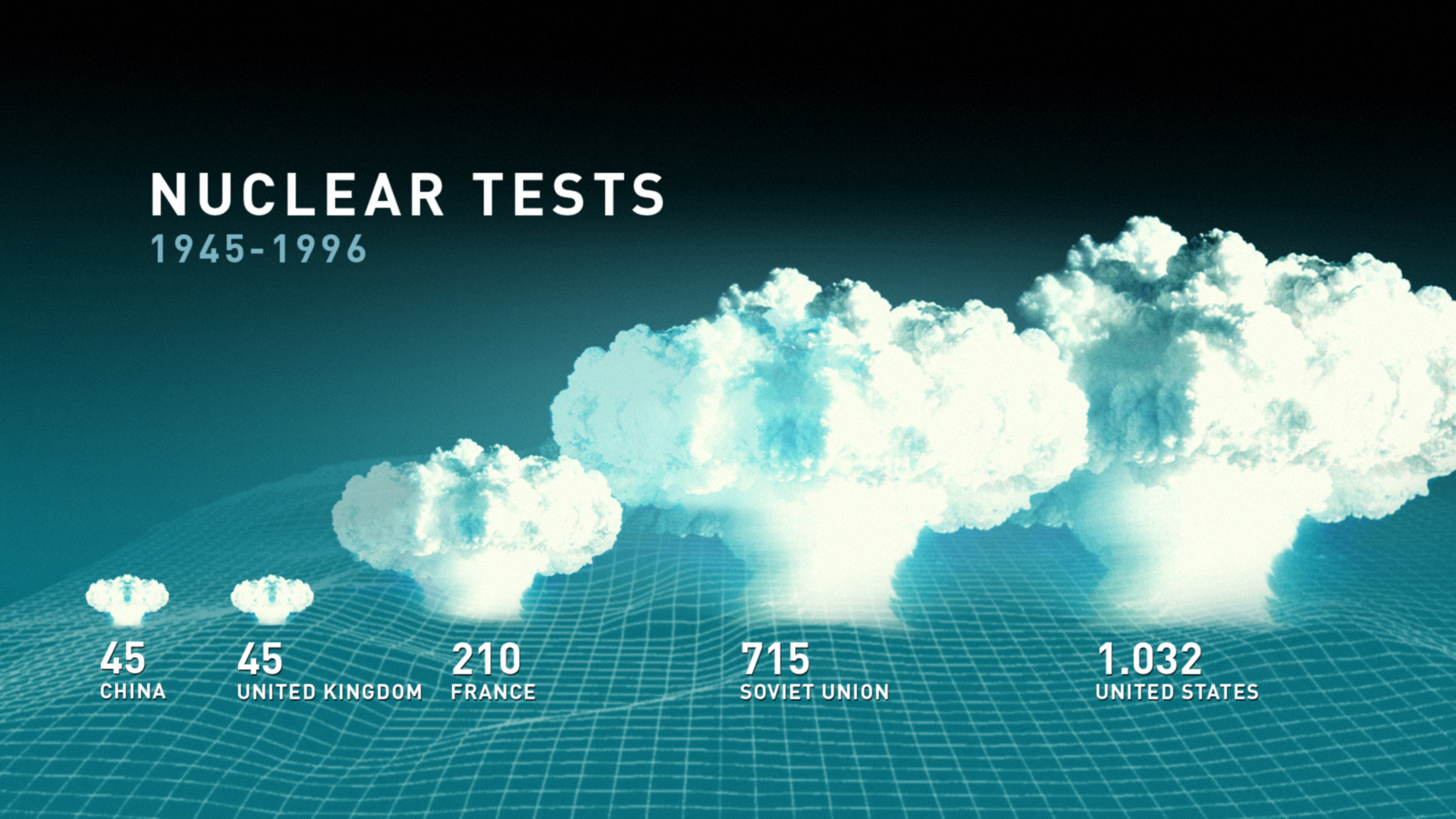
1784 Jews are expelled from Warsaw by Marshall Mniszek
1842 Christian Doppler presents his idea, now known as the Doppler Effect, to the Royal Bohemian Society, Prague
1844 1st telegraphed news dispatch is published in Baltimore Patriot
1898 1st US troop transport to Manila leaves SF
1923 Britain recognizes Transjordan with Abdullah as its leader
1938 Spanish Civil War: The bombing of Alicante takes place, with 313 deaths.
1946 Jordan gains independence from Britain (National Day); Abdullah ibn Hussein becomes king of Jordan
1953 1st atomic cannon electronically fired, Frenchman Flat, Nevada
1959 US Supreme Courtt rules Louisiana prohibiting black-white boxing unconstitutional
1961 JFK announces US goal of putting a man on Moon before the end of decade
1963 Organization for African Unity formed by Chad, Mauritania & Zambia
1965 India & Pakistan border fights
1965 Muhammad Ali KOs Sonny Liston in 1 for heavyweight boxing title rematch
1969 Sudanese government is overthrown in a military coup
1971 USSR performs nuclear test at Eastern Kazakh/Semipalitinsk USSR
1971 The Provisional Irish Republican Army throw a time bomb into Springfield Road British Army base in Belfast, killing British Army Sergeant Michael Willetts and wounding seven officers
1972 US performs nuclear test at Nevada Test Site
1977 Dutch social democratic party wins parliamentary election
1979 American Airlines DC-10 crashes on takeoff from Chicago killing 273 including 2 on the ground
1979 Israel begins to return Sinai to Egypt
1982 Iranian troops reconquer Khorramshar
1983 Fire in Nassermeer, Egypt, kills 357
1983 France performs nuclear test
1989 Mikhail Gorbachev elected Executive President in the Soviet Union
1991 Israel evacuates 14,000 Ethiopian Jews
1997 A military coup in Sierra Leone replaces President Ahmad Tejan Kabbah with Major Johnny Paul Koromah.
1999 The United States House of Representatives releases the Cox Report which details the People’s Republic of China’s nuclear espionage against the U.S. over the prior two decades.
2000 Liberation Day of Lebanon. Israel withdraws its army from most of the Lebanese territory after 22 years of its first invasion in 1978.
2002 A train crash in Tenga, Mozambique kills 197 people.
2002 China Airlines Flight 611: A Boeing 747-200 breaks apart in mid-air and plunges into the Taiwan Strait killing 225 people.
2003 Néstor Kirchner becomes President of Argentina after defeating Carlos Menem. He is the first elected President since the economic crisis.
2009 North Korea allegedly tests its second nuclear device. Following the nuclear test, Pyongyang also conducted several missile tests bulding tensions in the international community.
2009 Thailand’s economy shrank more than expected in the first quarter of 2009, contracting the most in a decade and plunging the nation into recession
2012 Up to 116 people are massacred, including women and children, by the Syrian army in Houla, in the Homs province
2013 17 children are killed by a gas cylinder explosion on a school bus in Gujrat, Pakistan
2014 Petro Poroshenk is elected President of the Ukraine
2014 Dalia Grybauskaitė is re-elected President of Lithuania
1963 Organization for African Unity formed by Chad, Mauritania & Zambia
1965 India & Pakistan border fights
1965 Muhammad Ali KOs Sonny Liston in 1 for heavyweight boxing title rematch
1969 Sudanese government is overthrown in a military coup
1971 USSR performs nuclear test at Eastern Kazakh/Semipalitinsk USSR
1971 The Provisional Irish Republican Army throw a time bomb into Springfield Road British Army base in Belfast, killing British Army Sergeant Michael Willetts and wounding seven officers
1972 US performs nuclear test at Nevada Test Site
1977 Dutch social democratic party wins parliamentary election
1979 American Airlines DC-10 crashes on takeoff from Chicago killing 273 including 2 on the ground
1979 Israel begins to return Sinai to Egypt
1982 Iranian troops reconquer Khorramshar
1983 Fire in Nassermeer, Egypt, kills 357
1983 France performs nuclear test
1989 Mikhail Gorbachev elected Executive President in the Soviet Union
1991 Israel evacuates 14,000 Ethiopian Jews
1997 A military coup in Sierra Leone replaces President Ahmad Tejan Kabbah with Major Johnny Paul Koromah.
1999 The United States House of Representatives releases the Cox Report which details the People’s Republic of China’s nuclear espionage against the U.S. over the prior two decades.
2000 Liberation Day of Lebanon. Israel withdraws its army from most of the Lebanese territory after 22 years of its first invasion in 1978.
2002 A train crash in Tenga, Mozambique kills 197 people.
2002 China Airlines Flight 611: A Boeing 747-200 breaks apart in mid-air and plunges into the Taiwan Strait killing 225 people.
2003 Néstor Kirchner becomes President of Argentina after defeating Carlos Menem. He is the first elected President since the economic crisis.
2009 North Korea allegedly tests its second nuclear device. Following the nuclear test, Pyongyang also conducted several missile tests bulding tensions in the international community.
2009 Thailand’s economy shrank more than expected in the first quarter of 2009, contracting the most in a decade and plunging the nation into recession
2012 Up to 116 people are massacred, including women and children, by the Syrian army in Houla, in the Homs province
2013 17 children are killed by a gas cylinder explosion on a school bus in Gujrat, Pakistan
2014 Petro Poroshenk is elected President of the Ukraine
2014 Dalia Grybauskaitė is re-elected President of Lithuania
20th May 2016
- Egypt Flight MS804, en route from Paris to Cairo, disappeared over the Mediterranean. Though the crash points to terrorism in the estimation of many, very little is known yet and news is still rolling in.
- An ambush left five Chadian UN peacekeepers dead in northern Mali.
- US military advisers could soon be deployed to Libya.
- Burundi agreed to talks in Tanzania to end a year of deadly violence.
- Gunmen killed a Doctors Without Borders/MSF worker in the Central African Republic.
- Two of the missing Chibok schoolgirls have been found. The first girl indicatedthat a number of the other girls are still alive.
- Boko Haram’s former captives, however, are shunned and treated with suspicion in their communities.
- Boko Haram may be sending its fighters to Libya.
- Sudan’s Janjaweed militia, notorious for their actions on behalf of Khartoum in Darfur, is back and fighting in the Nuba Mountains.
- 25 years after Sierra Leone’s bloody civil war, researchers look to the country for answers about how to rebuild after conflict.
- Israel’s defense minister, Moshe Yaalon, resigned over tensions with Prime Minister Netanyahu. Netanyahu offered the post to ultranationalist politician Avigdor Lieberman.
- Restrictions on Gazans ability to leave the Strip tighten even further.
- A Syrian government air strike, directed at a town under rebel control, killed 12 members of the same family.
- Syrian women who have survived rape and government detention face shame and stigma after their release from prison.
- Trauma and deprivation are the primary forces pushing young Syrians toward extremism.
- Khan Eshieh, a Palestinian refugee camp inside Syria that is home to 12,000 people, is under siege.
- According to satellite imagery, Russia may be building a military base on a designated World Heritage site.
- How Russia allowed homegrown radicals to go and fight in Syria.
- Why does the Islamic State care so much about Sykes-Picot?
- A weekend suicide bombing killed 25 in Yemen.
- The Islamic State, losing ground in its territorial battles in Syria and Iraq, is taking the counteroffensive to the streets of Baghdad.
- Iraqi forces retook Rutba.
- Afghanistan signed a draft peace agreement with Gulbuddin Hekmatyar.
- Long read: Did Afghan forces target the MSF hospital?
- India’s recent anti-ballistic missile tests have Pakistan “seriously concerned.”
- Pakistani police killed 14 alleged al-Qaeda militants.
- Vietnam’s crackdown on dissidents is throwing a wrench in its aims of a stronger defense relationship with the United States.
- Abu Sayyaf, an extremist group in the Philippines, is threatening the lives of a Canadian and a Norwegian hostage in a new ransom video. Three weeks ago, they beheaded another Canadian hostage after similar demands.
- Long read: 12 newsrooms in 5 years –– a chronicle of the casualties of government pressure on the news media.
- A Crimean Tatar won Eurovision for Ukraine, singing a song about the 1944 Soviet-led ethnic cleansing and mass deportation of her people. Ukrainecommemorated this event on its anniversary this week.
- Video: The Struggle to Find Ukraine’s Missing Soldiers.
- Colombia and FARC reached a deal to release child soldiers.
- People with disabilities face added risk in war and conflict zones.
- Somali-Americans face the terror dragnet.
- Video: The recently retired CBS correspondent Morley Safer died yesterday. Viewhis famous 1965 report from the torching of Cam Ne in Vietnam.
13th May 2016
- Somalia’s US-funded intelligence agency used children as spies.
- Kenya will close all its refugee camps, displacing about 600,000 people.
- Rwanda is aiding Burundi’s rebels and North Korea is arming Congolese troops,according to an independent panel reporting the Security Council.
- Two former Rwandan mayors went on trial in Paris for their part in the 1994 genocide.
- How to rebuild Nigeria after Boko Haram.
- Babies and children are dying in Nigerian military detention.
- In photos: Adriane Ohanesian journeys into Darfur’s rebel-held mountains.
- Senegal and the US signed a defense cooperation agreement.
- Libya faces further fragmentation.
- Africa confronts its worst drought in half a century.
- Violence grows in Turkey’s southeast.
- Top Hezbollah commander Mustafa Amine Bedreddine, a key target for Israelnicknamed the “untraceable ghost,” was killed in a large explosion near the Damascus airport.
- From some vantage points, the US seems to have abandoned the idea of going after Assad in Syria.
- A Red Cross aid convoy was denied access to the Syrian city of Darayya.
- Three Spanish journalists kidnapped in Syria were freed
- A power struggle between the Kurdish peshmerga and the Iraqi forces is impeding efforts to retake Mosul.
- Long read: Everything you ever wanted to know about how the Islamic State uses the internet. (Like an alphabet app for kids!)
- Islamic State car bombings killed at least 90 people in Baghdad.
- The Chilcot report, a long-awaited British inquiry into the Iraq war, will bepublished July 6.
- The US does not know what to do with captured Islamic State fighters.
- Saudi Arabia closed hajj to the Iranians after a year of deep tension.
- Yemenis are scarred by war and skeptical of talks of peace.
- Russia delivered its S-300 missile defense system to Iran.
- The Islamic State’s radio broadcasts in Afghanistan return to the airwaves.
- A car bomb in Nangarhar province killed at least 11 people.
- Long read: Mohammed Gulab saved former Navy SEAL Marcus Luttrell in Afghanistan in 2005. He and his family paid a steep price. Now, his version of events does not match up with Luttrell’s Lone Survivor retelling.
- Pakistani clerics issued a fatwa against the Islamic State.
- Azerbaijan accused Armenia of using white phosphorus in Nagorno-Karabakh.
- The US switched on a missile shield in Romania, to Russia’s displeasure.
- Infographic: Laying out the planned European missile defense system.
- Ukraine and Russia agreed to demilitarized zones and other security measures.
- A “quarter century of shrinking the Bundeswehr is over,” as Germany plans to expand its military in response to Russia.
- France plans to establish a series of de-radicalization centers.
- A former Republican member of the 9/11 commission said he believes there was evidence of Saudi government involvement in a support network for the hijackers.
- Khalid Sheikh Muhammad’s lawyers called for the judge and prosecutor in his trial to step down, alleging destruction of evidence favorable to the defense.
- A legal challenge may allow the UN special rapporteur on torture into Guantánamo’s highly restrictive Camp 7.
- The US is calling on countries to authorize their United Nations peacekeeping troops to use force to protect civilians.
- When Air Force General Lori J. Robinson assumes control of the North American Aerospace Defense Command and US Northern Command today, she will be the first woman to head a top-tier U.S. warfighting command.
6th May 2016
- Across Africa, international election monitors are failing.
- Uganda has banned coverage of election protests.
- The first British troops arrived in Somalia as part of their UN mission.
- The US is seeking to approve the sale of 12 light attack aircraft to Nigeria to help in the fight against Boko Haram.
- Militants carried out an attack on the Chevron platform in Nigeria’s Niger Delta region.
- Burundi’s police say 450 people have been killed in violence over the past year.
- Turkish Prime Minister Ahmet Davotoglu announced his resignation Thursday amid reports of disagreements and differences with President Erdogan. With this resignation, America loses a friend in the Turkish government.
- Violence picked up between Israel and Gaza.
- Some disputes arose in negotiations over US defense aid to Israel.
- Human Rights Watch reports that the Saudi-led coalition has used American cluster munitions near civilian areas in Yemen.
- A new ceasefire is in place for Aleppo.
- “In Aleppo, we are running out of coffins.”
- Islamist rebel forces overtook Khan Touman, a village close to Aleppo, from government forces. 73 people died in the battle.
- The Al Qaeda affiliated Al Nusra Front has big plans in Syria.
- Video: Syrian refugee children work long, hard days to avoid the desperation of returning to civil war.
- Long read: A generation of Syrian children who don’t count.
- 75 Syrian refugee women were forced into sexual slavery in Lebanon, the country’s largest uncovered human trafficking operation.
- An airstrike near the Turkish border in northern Syria killed 28 civilians in a refugee camp.
- Video: Cellist and close friend of Putin Sergei Roldugin performed with the Mariinsky Orchestra in the same Roman amphitheatre in Palmyra where the Islamic State carried out executions. (Bonus: ancient ruins make great backdropsfor propaganda.)
- The Islamic State claimed control of the Shaer gas field in Homs.
- Special Warfare Operator First Class Charles Keating IV is the third American combat death in Iraq since the start of the campaign against the Islamic State.
- An Australian fighting for the Islamic State was killed in an air strike in Iraq.
- A state of emergency was declared in Baghdad this week after protesters entered the protected Green Zone and took over parliament. The protesters, who support Shi’ite cleric Moqtada al-Sadr, have since left.
- Long read: The Green Zone is emblematic of the “symbiotic relationship between terrorists and corrupt politicians.”
- Al Qaeda is reportedly working more closely with the Afghan Taliban.
- It has been a profitable year in the Helmand province poppy fields.
- Shoddy footwear is a big problem for Afghan forces.
- The Pentagon argues that the 2015 strikes on an MSF hospital in Kunduz are not a war crime because they were unintentional.
- Analysis: Is recklessness sufficient for war crimes?
- Two months after the bin Laden raid, the CIA station chief in Islamabad went home in failing health, with no clear cause. Both he and the agency grew to believe Pakistan’s Inter-Services Intelligence Agency had poisoned him. (There are skeptics.)
- North Korea is staging its first party congress since 1980.
- As NATO plans to boost its Eastern European presence, Russia plans to reinforceits western and southern flanks.
- Long read: The historian whitewashing Ukraine’s bloody past.
- House Republicans are using the 2017 defense authorization bill to go after LGBTQ rights.
- When Donald Trump officially becomes the Republican nominee, he’ll receive classified intelligence briefings and some people are a little worried about that.
29th April 2016
- Egypt arrested nearly 400 people leading up to April 25th protests.
- In defiance of the UN-backed Tripoli government, Libya’s eastern rebel government shipped its first cargo of crude oil.
- Rights groups in Mali say the government is torturing and killing civilians.
- The Islamic State celebrated its first training camp and first attack in Somalia.
- Assassinations and defections are weakening Burundi’s security forces.
- The International Criminal Court announced a preliminary examination of human rights abuses in Burundi.
- The death toll in Burundi this month is 31.
- Do Rwanda’s museums commemorate the past or bolster Kagame’s power?
- South Sudan’s rebel leader Riek Machar finally returned to Juba to be sworn in as vice president and continue to move the peace process forward.
- The US promised $90 million in extra aid to South Sudan, but warned of sanctions if there’s a lack of commitment to the peace process.
- February clashes inside a UN protection of civilians site in South Sudan raise questions about the sustainability of such sites, which house 180,000 people across the country.
- Fear of Boko Haram is keeping displaced people in Chad from returning home.
- Profile: How Abubekar Shekau transformed Boko Haram
- Sierra Leone’s Independence Day turned violent with police firing guns and tear gas at the opposition party’s headquarters.
- The UN Security Council has lifted remaining sanctions on the Ivory Coast and will end the peacekeeping mission there.
- Yemeni and Saudi-led coalition forces retook the port city of Mukalla, a longtime Al Qaeda stronghold.
- Al Qaeda in the Arabian Peninsula would like to debate the Islamic State.
- The White House will expand Special Forces presence in Syria by 250 troops (there are already 50 there).
- The US admitted to killing 20 civilians in strikes intended for Islamic State targets between September and February.
- Airstrikes destroyed a Doctors Without Borders hospital in Aleppo, also destroying the eight-week-old ceasefire in the process. One of Aleppo’s last pediatricians is among the dead.
- “In the last 48 hours, we have had an average of one Syrian killed every 25 minutes, one Syrian wounded every 13 minutes.”
- US-Russia cooperation over Syria is unraveling.
- Long read: Ghaith Abdul-Ahad on leaving Syria behind and life on the refugee trail, with beautiful drawings.
- The Iraqi army made advances south of Mosul.
- Fallujajh’s residents suffer under the siege.
- The Islamic State is turning to fishing, selling cars and running factoriesto supplement its income as oil revenues dwindle.
- The number of foreign fighters entering Iraq and Syria decreased by 90 percent, says the Pentagon.
- The Pentagon will declassify the results of its internal investigation into the airstrikes on a Doctors Without Borders hospital in Kunduz. 16 US forces weredisciplined as a result of the review.
- An Australian aid worker was kidnapped in Afghanistan near the border with Pakistan.
- The Bangladeshi branch of Al Qaeda claimed the brutal killing of LGBTQ activist and editor of the country’s only gay rights magazine, Xulhaz Mannan, along with theater actor Tanay Majumder.
- Here are some of the writings of Bangladeshi writers and bloggers murdered by extremists.
- A third North Korean missile test failed.
- Paris attacker Salah Abdeslam has been extradited to France.
- In an interview, Abdeslam’s former Belgian attorney called him a “little jerk” and described him as having “the intelligence of an empty ashtray.”
- Former Islamic State hostages identified Brussels suicide bomber Najim Laachraoui as one of their Syrian captors.
- 9,333 killed since the Ukraine conflict began.
- Ukraine says a stronger ceasefire is needed.
- President Putin used executive orders to form a new internal security service, the National Guard, likely to be tasked with “suppression of unauthorized mass actions.”
- Video: A young Colombian girl kidnapped at 9 by FARC was one of thousands of children forced to fight.
- Capt. Kristen Griest, one of two women to be the first to earn a Ranger tab, will now be the Army’s first female infantry officer.
 Hiba's curmudgeonly musings about books, politics & other trifles.